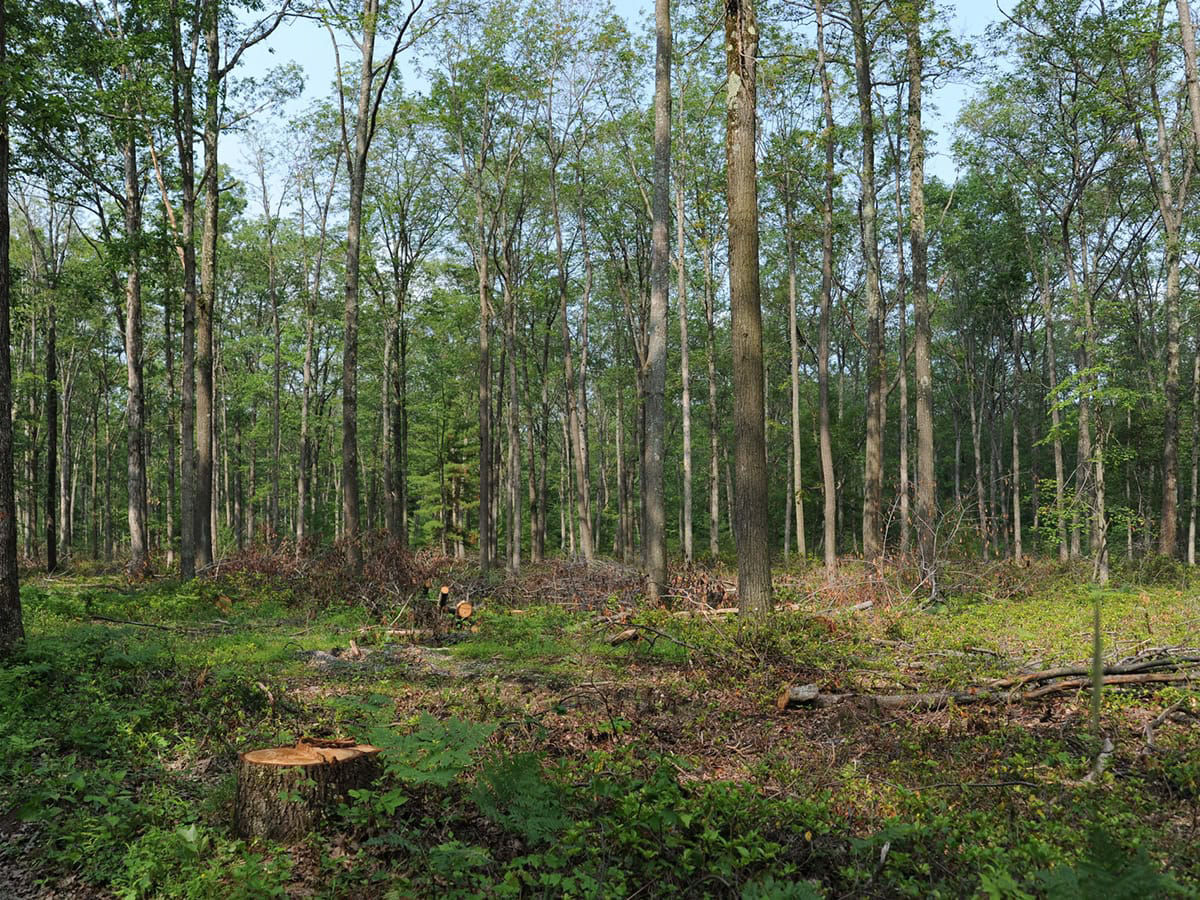
DCNR uses an ecosystem management approach to manage 2.5 million acres of mostly forested land that makes up Pennsylvania state parks and state forests. This style of management strengthens forest health, enhances carbon sequestration and storage, and protects native plant communities. As climate driven stressors such as invasive species, pests, drought, and habitat fragmentation intensify, the agency works to conserve both rural and urban forests, maintain regeneration, and support private landowners in sustainable forest practices. These efforts help ensure that Pennsylvania’s forests remain resilient, diverse, and capable of providing essential ecological services.
Healthy forests are also the foundation of clean water and thriving plant and wildlife populations. Riparian forest buffers protect waterways by filtering pollutants and stabilizing streambanks, while biodiversity conservation and wildlife corridor planning help maintain ecosystem integrity and allow species to move safely across the landscape. Together, these strategies form a comprehensive approach to natural climate solutions—one that safeguards Pennsylvania’s ecological heritage while preparing its forests, waters, and wildlife for a changing climate.
Climate-Smart Forestry
Climate-smart forestry is a combination of sustainable forest management practices that promote the capture and storage of carbon in trees and wood products; promote diversity, health, and resilience of our forests; and prevent the loss of forests while sustainably providing forest products to society. In essence, climate-smart forestry emphasizes the importance of sustainable forest management practices to maximize carbon capture and storage in our forests with a focus on reducing, mitigating, and adapting to the effects of climate change.
Examples of climate-smart forestry DCNR practices include:
- Prescribed fire – managing fuel loads to reduce wildfire risk and control competing vegetation
- Diverse tree planting – improving natural seedling regeneration by planting a diverse mix of species or genetic traits adapted to a changing climate
- Invasive species, pest and pathogen control – monitoring and rapidly treating forest health threats upon discovery to avoid forest loss (for example: spongy moths)
- Thinning – removing crowded or unhealthy trees to promote a healthy and diverse forest at a stand-level
Wood-based forest products (e.g. furniture, cabinets, flooring, building materials, etc.) continue to store carbon long after the tree is removed from the forest. Sustainable, climate-smart forest management ensures the health and resilience of our forests while providing a sustainable supply of forest products.
Forest Carbon Management Principles
Forests are not the only solution to climate change, but they are a critical part of the solution. Forests actively capture and store carbon from the atmosphere and are a critical resource for addressing climate change. Pennsylvania’s forests hold approximately 1.9 billion tons of carbon. The Department of Conservation and Natural Resources (DCNR) Bureau of Forestry recommends the following principles for managing forests to enhance their capacity to store and sequester carbon, while keeping them healthy and resilient.
Keep Forests as Forests
Keep Forests as Forests
Conserving forests to keep trees where they are and avoid permanent deforestation maintains large carbon pools across the landscape.
Healthy Forests Sequester and Store More Carbon
Forest longevity and resiliency depends on health. Prescribed fire, sustainable timber harvesting, and practices to address forest threats such as invasive plants, insects, diseases, and wildfires all help keep our forests healthy, resilient, and sequestering and storing carbon.
Plant Trees
Planting trees anywhere, but especially in urban areas, along streams, and abandoned mine lands, is one of the best ways to promote many environmental and social benefits, including carbon storage.
Conserve and Enhance Wetlands
Wetlands capture atmospheric carbon and store it in their living and dead plants and soils. It is important to conserve wetlands and restore them when possible. Healthy, functioning wetlands store carbon in their vegetation, peat, litter, soils, and sediment.
Regenerate and Restore Vigorous Young Forests
Regenerating and growing new forests is important in keeping sites productive. Young forests capture carbon quickly. These young trees and forests also enhance or restore a variety of habitats.
Conserve and Enhance Old Growth and Late-Successional Forests
Mature trees and forests continuously capture carbon, which is stored in wood, roots, and soils. The older and healthier a forest, the more carbon it can sequester and store. Conserving old growth forests and enhancing the growth of late-successional forests can increase carbon benefits. A mix of older forests and younger forests across the landscape is vital for forest health and habitat benefits. In some cases, extending harvest rotations of healthy, mature forests can enhance carbon storage.
Support the Use of Durable Wood Products
Durable wood products such as construction materials, cabinets, furniture, and flooring continue to store carbon for the life of those products. Durable wood products can be a better alternative to more carbon-intensive products like steel or concrete.
Practice Sustainable Forest Management for Carbon Benefits
Sustainable forestry (silviculture) and industry-accepted best management practices (including third-party certification), increase forest health and resilience and promote the use of durable wood products.
Protect Soil Health
Soils are a significant carbon pool and should be managed carefully. Limiting soil disturbance or loss during forest operations and restricting activities in riparian buffer zones protect soil health.
Learn, Plan, Monitor, and Adapt
The science of carbon management continues to evolve. Learning more about our forests, planning for success, monitoring impacts, and continuously adapting will help our forests remain healthy, resilient, and storing carbon in the long term.
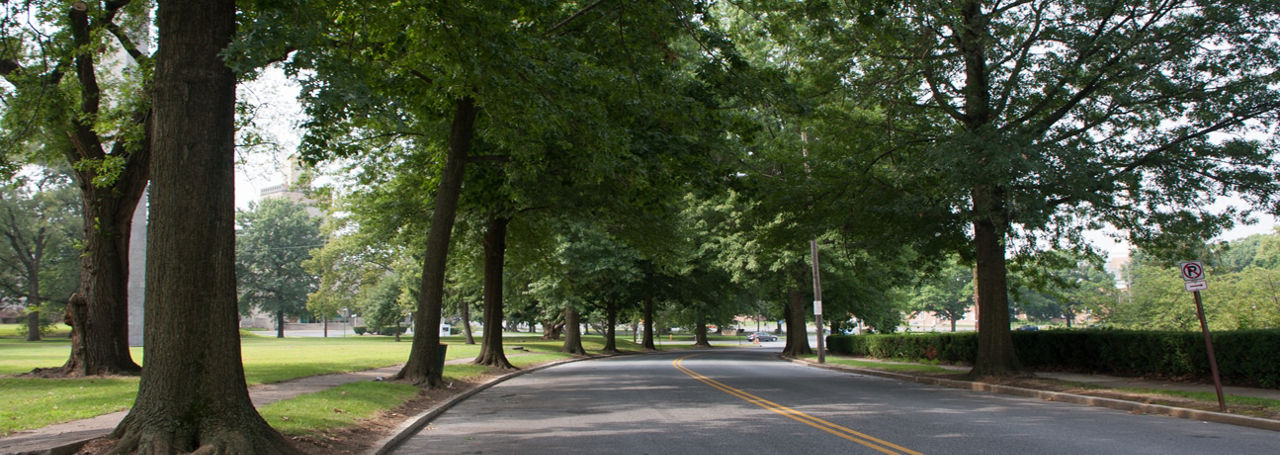
Urban and Community Forestry
Urban and Community Forestry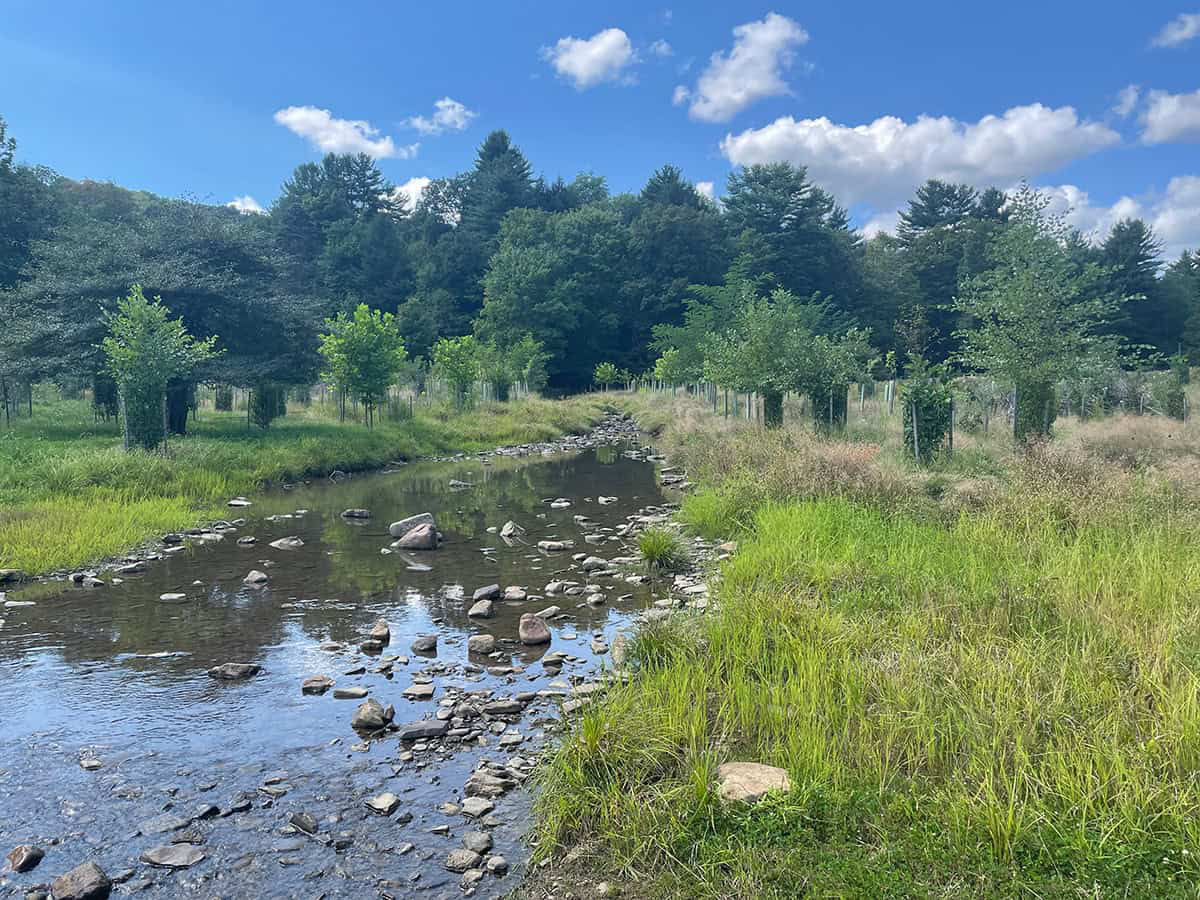
Riparian Buffers
Riparian Buffers