One of the best ways to protect yourself from financial scams is to be informed. Keep in mind that, with every opportunity, if it sounds too good to be true, it probably is!
- Pressure to Act Immediately: Scammers create a sense of emergency, such as claiming your account will be closed, a warrant is out for your arrest, or a loved one is in danger, forcing you to act before thinking.
- Unusual Payment Methods: Insisting on payment via gift cards, cryptocurrency, wire transfers, or payment apps is a major warning sign.
- Requests for Sensitive Information: Asking for PINs, passwords, Social Security numbers, or bank account information over the phone, text, or email.
- Unsolicited Contact: Unexpected emails, calls, or messages (especially from unknown, or seemingly known but compromised, sources).
- "Too Good to Be True" Offers: Promises of large sums of money, prizes, or investment returns with little to no risk or effort.
- Suspicious Links or Attachments: Emails or texts containing links to fake login pages or attachments that could contain malware.
- Demand for Secrecy: Telling you not to discuss the transaction with bank employees, family, or police.
You can also contact government agencies and credit bureaus who can help you protect yourself or help you if you have fallen victim to a scam.
Free weekly online credit reports are available from Equifax, Experian and TransUnion.
Contact Our Consumer Help Center
The DoBS Consumer Services Office provides courteous and timely responses to consumer inquiries and complaints with an objective to respond within 10 days of receipt.
Get Social With Us
Follow us on Facebook, X and LinkedIn to get updates about the department, learn about scams, and more!
Subscribe to Our Newsletter
Sign up to receive The Quarter, the newsletter of the Department of Banking & Securities. This quarterly publication highlights department-related news, updates to policy, fraud protection guidance, and more.
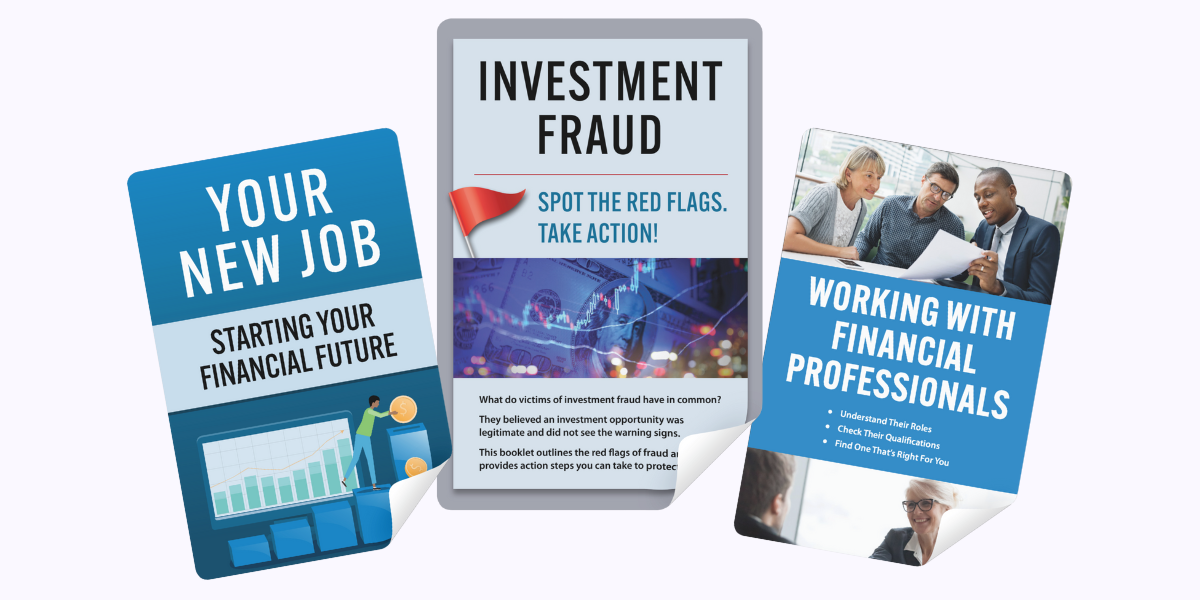
The department offers FREE brochures and hand-outs on various financial topics that are available to the public through our Publications page.