Maintenance
PennDOT District 4 “Road Tests” Preservation Process to Extend Pavement Life


There’s no question that PennDOT’s primary goal is to ensure safe travel all across Pennsylvania for residents, visitors, and commercial drivers alike. What if that can be accomplished with less traffic disruption caused by traditional road milling and repaving, while saving taxpayer dollars?
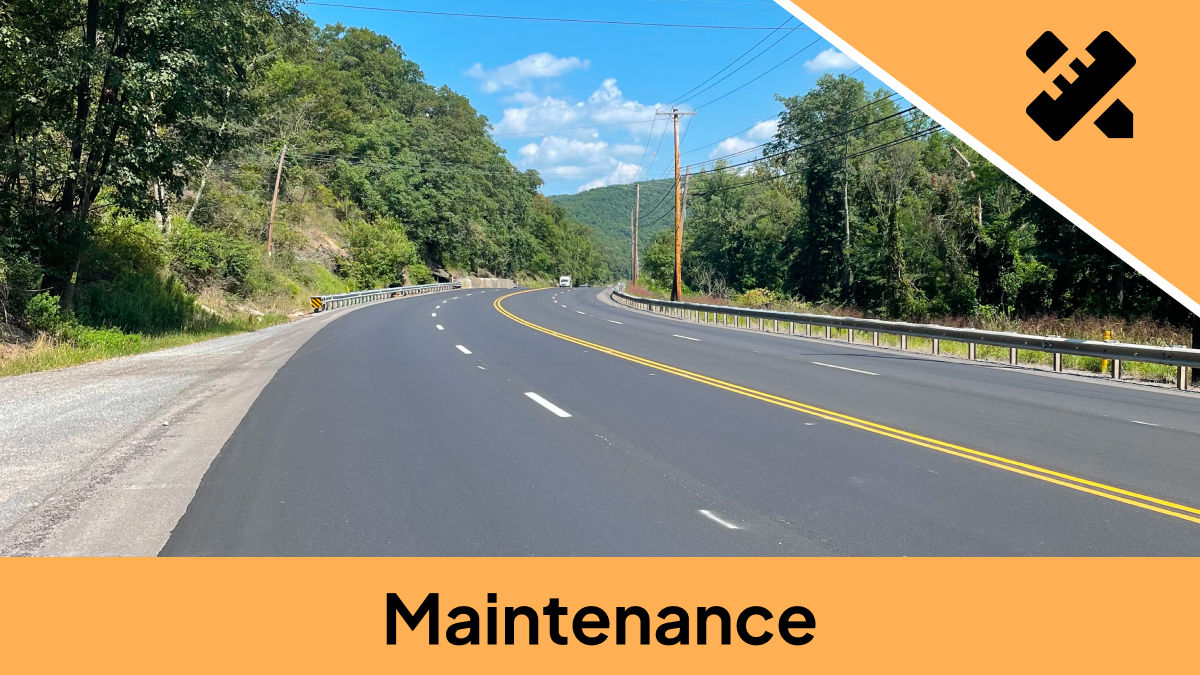
 The State Route 11 project in Lackawanna County sealed the existing roadway surface, which should protect the pavement from moisture and faster deterioration, extending pavement life, along with increasing traction on the road surface.
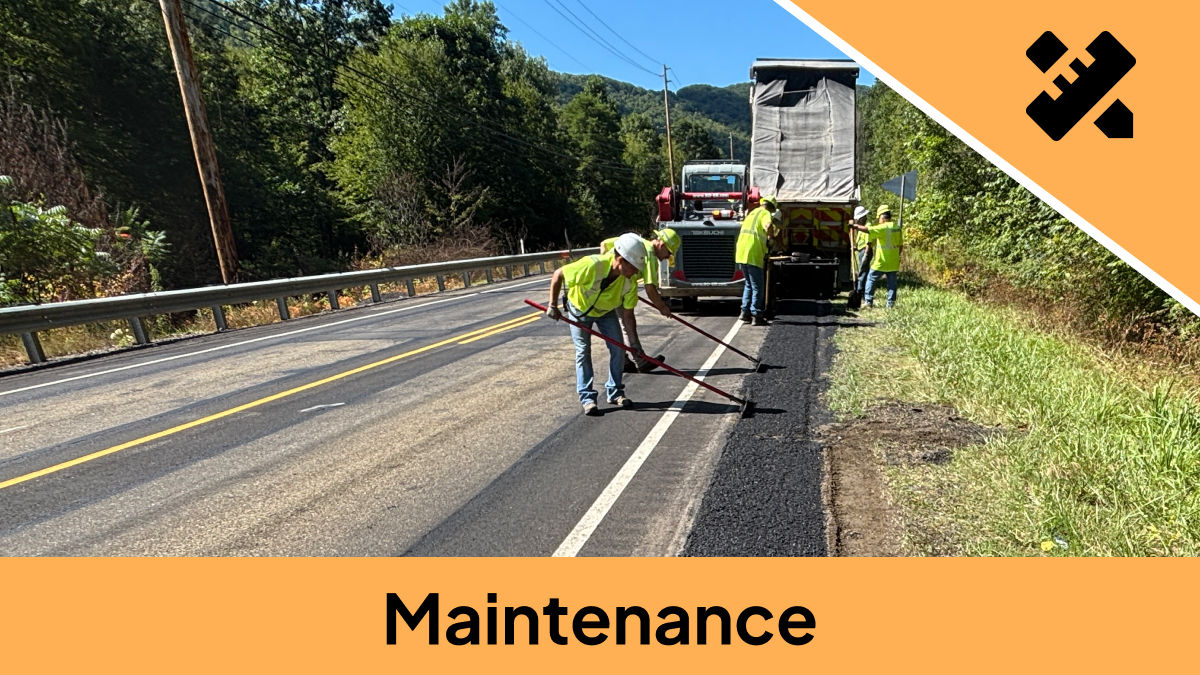
With those incentives, PennDOT’s Engineering District 4 maintenance team was all-in for a 2024 pilot program to utilize the cape seal paving process. Rather than milling and repaving a roadway, the cape seal paving process features a single application of seal coat over the existing road surface followed by a double application of microsurfacing, a thin layer of asphalt that can potentially extend the life of a roadway.
“A cape seal is an efficient and cost-effective pavement preservation tool that extends the life of existing roadways by several years,” said Assistant District Executive for Maintenance Loni Tomaine, P.E. “By combining the structural durability of the seal coat with the smooth finish of the microsurface, the cape seal significantly extends pavement service life at a fraction of the cost of traditional paving.”
District 4 selected Route 11 in Lackawanna County, which runs through the Scranton and South Abington Township, as a prime location for the first cape seal project in Pennsylvania. The two-mile stretch of highway experiences average traffic of more than 10,000 vehicles per day. The project sealed the existing roadway surface, which should protect the pavement from moisture and faster deterioration, extending pavement life, along with increasing traction on the road surface.
“The cape seal project on Route 11 was successfully completed during summer 2025 through a partnership of PennDOT teams and contractors,” said Maintenance Services Engineer Kaitlyn Drumheller, P.E. “The application of seal coat followed by microsurfacing offers a cost-effective alternative to maintain our roadway network.”
The District 4 pilot program is testing the method to see if it seals against roadway cracking and preserves the longevity of the pavement. It is estimated that the cape seal paving process can potentially extend the life of a roadway for eight to 10 years, at an estimated 25% less than the cost of traditional repaving.
“This is the first cape seal project performed within PennDOT across Pennsylvania,” said Tomaine. We're hoping it is another tool in our toolbox that we can use in the future to extend the life of our pavements."