Maintenance
Debris & Dirt Screener Yields Cost Savings, Environmental Benefits


In the two years since PennDOT District 6’s Philadelphia County maintenance crew bought their state-of-the-art debris and dirt screener, numerous benefits and potential for this innovation continue to be realized across the district.
“We are proud of our team for always raising the standard and quality of our work,” said PennDOT District 6 Executive Din Abazi, P.E. “This debris and dirt screener continues to check all the boxes of being cost-efficient, easy to use, and providing new opportunities to carry out PennDOT’s work.”
The screener works by loading the materials collected by the sweeper truck into the top of the machine, where it is then sifted through a screen, depositing soil in one place and debris in another. This allows the county to properly dispose of the material.
Daniel Graham, a senior highway maintenance manager in Philadelphia County, estimates his crew collects 3,000 to 5,000 thousand tons of clean dirt per year. Certified landfills charge $120 per ton to collect unscreened dirt. Landscaping companies charge $10 per ton to collect clean dirt. Having clean dirt and using a landscaping company saves PennDOT hundreds of thousands of dollars per year.
Philadelphia County also reduces screener rental costs by lending their screener to other counties across the district. In all, the screener saves PennDOT approximately $1.4 million per year.
The screener has yielded more than monetary benefits. A lot of debris and trash are collected when PennDOT sweeps highways. Using the screener helps PennDOT meet standards set by the Department of Environmental Protection (DEP). Sweeping and cleaning the collected dirt helps the environment by keeping our water clean, beautifying highways, and sending trash and debris into the correct waste or recycling facilities.
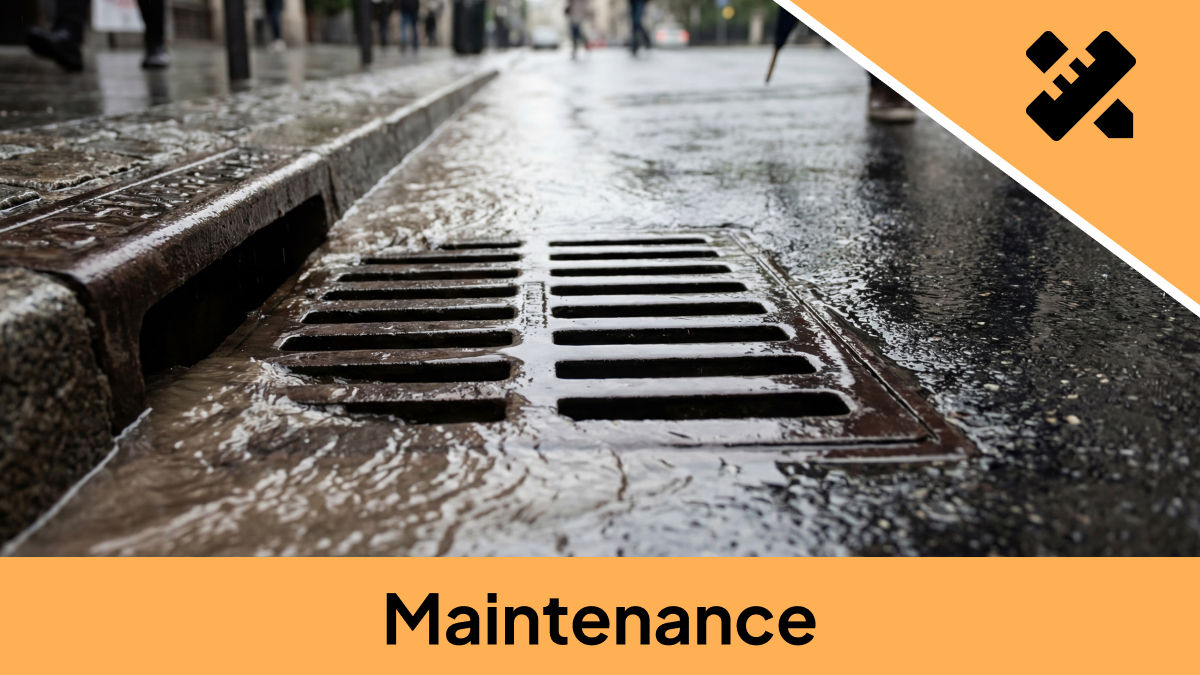
“We must meet DEP requirements for proper disposal as well,” said Graham. “When we sweep this material up, it prevents it from going down into our drainage systems and eventually out to streams, rivers, or oceans.
PennDOT continues to look for new ways to use the dirt and debris screener. The Philadelphia County maintenance crew has already used the screener to remove pieces of concrete from their salt storage facility, which helps to keep PennDOT’s streets safer in the winter.
 Sweeping and cleaning the collected dirt helps the environment by keeping water clean, beautifying highways, and sending trash and debris into the correct waste or recycling facilities.
 The debris and dirt screener works by loading the materials collected by the sweeper truck into the top of the machine, where it is then sifted through a screen, depositing soil in one place and debris in another.
 Once materials are sifted through the screener, soil is deposited in one place and debris in another.